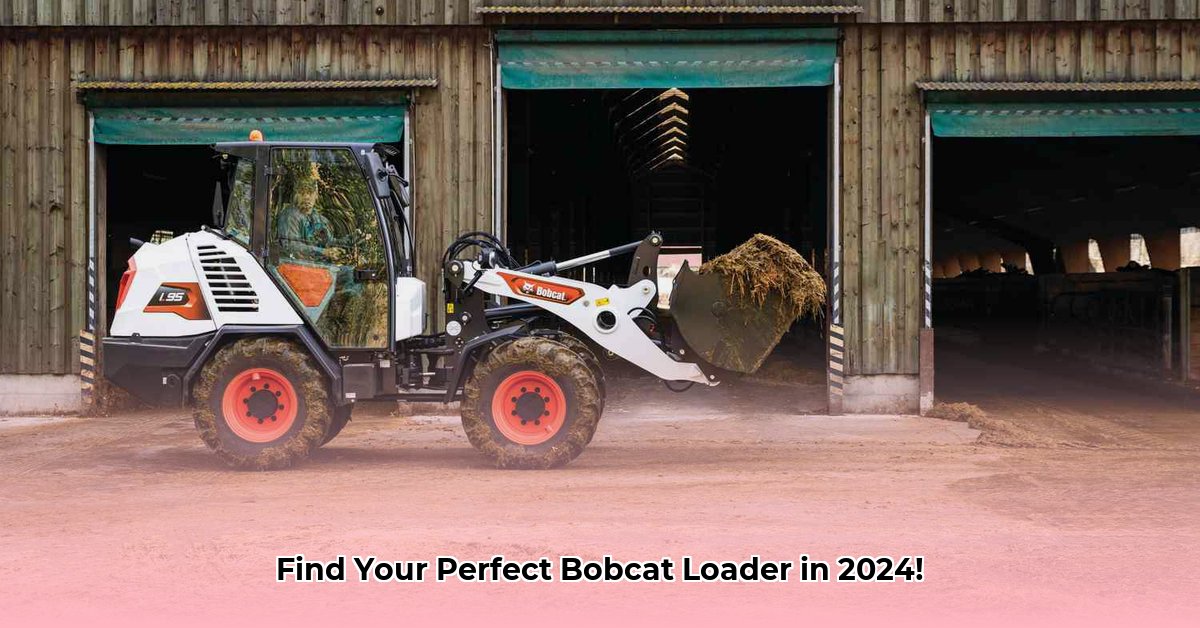
Choosing the right compact tractor is a significant investment. This comprehensive guide helps you navigate the options, focusing on Bobcat, John Deere, and Kubota loaders, providing detailed comparisons to aid your decision-making process. For more information on Bobcat's manufacturing, check out this helpful resource.
Understanding Your Needs Before Comparing Bobcat Tractors to Competitors
Before diving into specifications, identify your priorities. What tasks will your tractor perform? Small acreage maintenance? Heavy-duty fieldwork? Your intended use dictates horsepower, lift capacity, and features. Are you a seasoned farmer, or is this your first tractor? Experience levels influence the desired complexity.
Comparing Key Features: Bobcat, John Deere, and Kubota
Let's compare similar-sized models across criteria. Note that specific model variations exist within each brand's lineup. This comparison provides a generalized overview based on common model characteristics within each size class.
| Feature | Bobcat Example (Hypothetical) | John Deere Example (Hypothetical) | Kubota Example (Hypothetical) | Notes |
|---|---|---|---|---|
| Horsepower | 25 HP | 25 HP | 24 HP | Similar horsepower across brands |
| Lift Capacity | 1200 lbs | 1000 lbs | 950 lbs | Bobcat often offers higher lift capacity |
| Transmission Type | Hydrostatic | Hydrostatic or Gear | Hydrostatic | Consider your preference and experience |
| Fuel Efficiency | 3 gph | 2.8 gph | 2.5 gph | Estimate based on model and workload |
| Estimated Annual Maintenance Cost | $500 | $450 | $400 | Varies based on usage and service intervals |
| Estimated Resale Value (after 5 years) | 50% of original price | 55% of original price | 60% of original price | Kubota often holds resale value better |
Note: These figures are hypothetical examples to illustrate comparison points. Actual values vary based on the specific model, usage, and market conditions. Always verify current specifications and prices from authorized dealers. Pricing will vary considerably based on configuration and dealer location.
Factors Beyond the Specs: Dealer Support, Attachments, and More
Beyond raw numbers, several factors heavily influence your choice:
- Dealer Support: A reputable local dealer is vital for prompt service and parts. Assess dealer proximity and reputation for each brand in your area.
- Attachment Compatibility: Research attachment availability and compatibility. Do the attachments you need work with all three brands?
- Cab Comfort and Ergonomics: Spend time in the cabs. Comfort and ease of operation vary significantly. Consider climate control options, visibility, and overall ergonomics.
- Technology: Advanced features like auto-guidance or telematics impact cost and user experience. Research availability and suitability for your needs.
Total Cost of Ownership (TCO): A Key Consideration When Choosing the Right Tractor
Don't overlook the big picture. TCO includes:
- Purchase Price: Obtain firm quotes from local dealerships. Compare across similar models, including any bundled attachments.
- Fuel Costs: Estimate fuel expenses based on anticipated annual usage and fuel efficiency.
- Maintenance Costs: Factor in routine maintenance, repairs, and warranty expenses. Review service intervals and typical part replacement schedules.
- Resale Value: Consider the potential resale value as discussed above.
By incorporating these factors, your evaluation becomes much more comprehensive.
Key Takeaways and Next Steps
- Identify Your Needs: Clearly define your tasks, budget, and property size.
- Research Models: Explore brand websites and resources to narrow down suitable models.
- Compare Competitors: Don't limit yourself. Compare features and costs across brands.
- Visit Dealers: Test drive models. Ask dealers questions about everything from maintenance to financing.
- Read Reviews: Independent reviews from other owners offer invaluable insights.
- Calculate TCO: Estimate TCO for your top choices.
- Make Your Informed Decision: Choose the tractor that best balances features, performance, and long-term value.
Careful consideration of these factors will guide you to choose the right tractor for your needs and budget. Remember, investing time in research and comparison pays off with a well-suited machine.